
Health Supplement Reviews
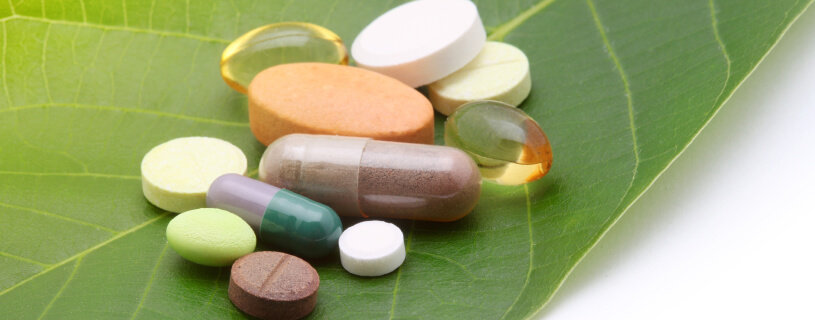
Health Supplement Reviews and Research
You walk into the vitamin shop or vitamin aisle at your local superstore and you’re instantly overwhelmed by the variety and selection. There are hundreds of health supplements to choose from, so how do you know which is right for you, especially if you’re trying to lose weight. We searched all over the web for the facts, so you know exactly what you’re in for. Medical journals and articles from trusted universities were part of the research. Everyone deserves to know what they should or shouldn’t try and that’s why we’re here publishing health supplement reviews.
Popular Health Supplement Articles
What are Health Supplements?
A health supplement is an over-the-counter product that claims to improve or support overall health. These range from a basic vitamin to a complex weight-loss pill. Not everyone needs every health supplement, but based on the nutritional intake of many Americans, many could use a little support.
This is one of the top questions we’ve read in health supplement reviews. You may have reached the vitamin aisle with one health supplement in mind, but what about all the others? According to a Gallup poll, “half of Americans report regularly taking vitamins or other mineral supplements.”
Multivitamin
Choosing a multivitamin can be a bit overpowering. There are tons out there, so how do you pick one over the other? Believe it or not, most are generally the same. Women’s multivitamins may have additional ingredients to support heart health or energy and men’s may have ingredients to support prostate health.
Taking a multivitamin can be beneficial for rounding out your diet, but it is always best to consume vitamins in their natural state – in foods. You have to take into consideration that not all multivitamins are considered equal. According to the National Institutes of Health, “many multivitamins contain some micronutrients in amounts in excess of those recommended in the government’s Dietary Guidelines for Americans. In some cases, these levels may result in unsafe intakes.”
Antioxidants
Free radicals are produced naturally in the body, but environmental and dietary factors can affect how many are produced. The body can fight off free radical damage, but when levels grow higher than the body is equipped for, antioxidants come into play. The Journal of Clinical Pathology states, “Antioxidants prevent free radical induced tissue damage by preventing the formation of radicals, scavenging them, or by promoting their decomposition.”
According to researchers, antioxidant health supplements are not necessarily healthy. Taking too much can cause oxidative stress, the same thing you’re taking the antioxidant to fight. How much is enough? That varies by person.
Probiotics
Probiotics are healthy bacteria found in the gut, as explained by the National Institutes of Health. Things like the use of antibiotics, intake of refined sugar, chlorine in drinking water, overcooked meats and stress can all kill off probiotic bacteria. There are two types of probiotic bacteria – lactobacillus and bifidobacterium with the first being the most common. While you can take probiotics as a health supplement, it’s much better to consume them in foods.
Yogurt, sauerkraut, miso soup, soft cheese, sourdough bread and sour pickles are all sources. To keep the bacteria healthy and strong, you can add foods like asparagus, oatmeal, bananas and red wine which are sources of prebiotics – the food for probiotics. Probiotics are gaining in popularity if you take the number of times you find them mentioned in health supplement reviews into consideration.
Weight-Loss Pills
Though many health supplements are there to promote overall wellness, some focus on weight loss. Weight-loss pills are designed to help dieters lose more weight by suppressing appetite, boosting metabolism or focusing on carbohydrate or fat metabolism. There are both proven and unproven ingredients and it’s important to know the difference. When choosing a health supplement for weight loss check the official website first. If there is a complete list of ingredients and mention of clinical studies, that’s perfect.
Ideally, there should be links to the research, but if not there should at least be a title for the article and the name of the peer-reviewed journal where it was published. Some ingredients that have been clinically tested and proven include chromium, caffeine and green tea. Health supplements to look out for are raspberry ketones, acai and hoodia gordonii – often considered “fads” because there’s no real scientific support just hype. Based on thousands of health supplement reviews we’ve researched – weight-loss pills are some of the most popular.
Medical Conditions and Health Supplements
If you have a medical condition that’s being treated with prescription medications, you may want to think twice before taking a health supplement (or at least contact your doctor). According to an article from the FDA, “Certain dietary supplements can change absorption, metabolism, or excretion of a medication and therefore affect its potency.”
The Bottom Line on Health Supplements
There are far too many health supplements on the market to hit them all. While some are clinically proven to have some effect on overall health or weight loss, others are not. The consensus is, when it comes to vitamins and nutrients, it is best to consume them in food rather than supplements. Take a look at many health supplement reviews before you jump into anything or spend any money.