
Herbal Diet Supplement Reviews
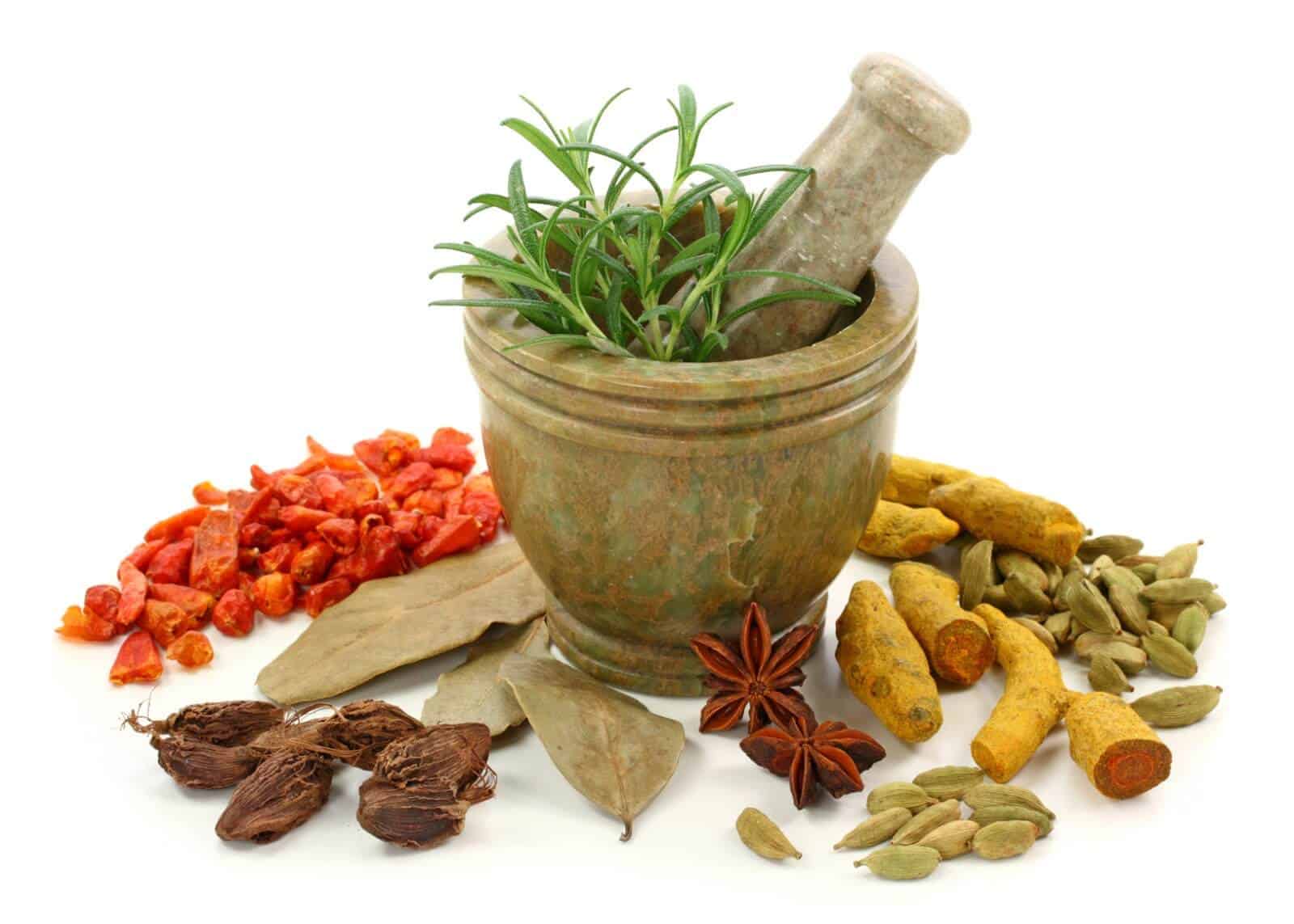
If you’re on this page, you’re no doubt interested in how changing your diet can improve your health long term. It’s clear that in the Western world, common diets are often out of balance, leading to obesity and poor health.
It’s All About Variety
You may be interested in addressing your dietary concerns with an herbal supplement. No doubt there’s a huge variety of supplements available that include a stunning array of ingredients and functions. This exhaustive listing is designed to give you an all-embracing view of the herbal diet supplements available.
Popular Herbal Diet Supplement Articles
It’s About More Than Taking a Supplement
As you research what herbal dietary supplements can do for you, remember that discipline, planning, and commitment are essential to meeting your weight-loss goals. A weight-loss program should include a healthy diet and muscle-building, fat-burning exercise. There’s no substitute for those two health goals.
We Bring You the Facts
Upon reading the listings here, you may find that this site has called out some supplements as ineffective. It’s vital that you do your due diligence as you consider investing in the $70 billion diet industry. Among the fantastic products available, there are certainly a few sharks in the water. Remember that total health is your goal—not a short term, unsustainable weight-loss miracle.
Are Herbal Supplements Worth a Try?
Some of these supplements might make for a good “kick start” to fat burning which may encourage you to move on to a more disciplined, healthy way of life. Don’t underestimate the power of commitment and discipline to change your life and help you meet your fitness and weight-loss goals!